October 8, 2026
Managing a commercial kitchen requires constant oversight of complex equipment, high temperatures, and intense operational demands. In today's competitive hospitality industry, maintaining a safe and efficient environment is essential for long-term viability and success. One crucial aspect that often receives inadequate attention is the routine servicing of exhaust hood systems. Facilities that neglect proper maintenance schedule intervals risk extensive structural harm, severe financial penalties, and unexpected operational setbacks. Understanding the foundational role of exhaust hygiene helps underscore its importance in maintaining high standards across the entire foodservice sector.
When operators overlook essential maintenance, invisible hazards accumulate rapidly within the ventilation infrastructure. Grease buildup within exhaust ducts presents an immediate fire hazard that threatens the physical structure and every occupant inside. Failing to schedule a professional restaurant filter service routinely allows volatile organic compounds and heavy grease deposits to compromise airflow, degrade indoor air quality, and strain expensive HVAC equipment. By recognizing these hidden operational threats, management can take decisive action to protect physical assets, ensure regulatory compliance, and support a safe, productive workspace for all kitchen staff.
Understanding Exhaust Airflow Mechanics in Commercial Kitchens
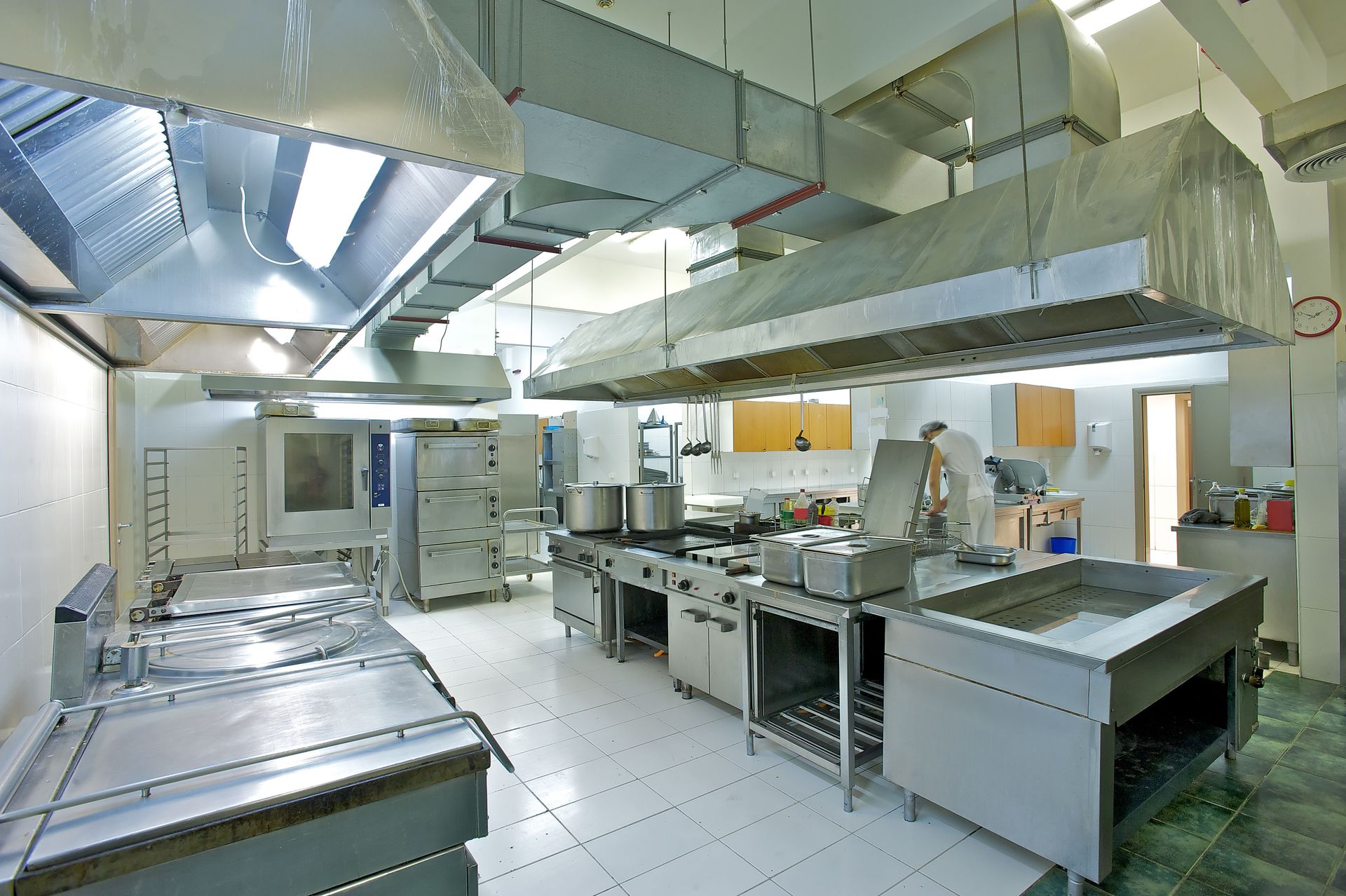
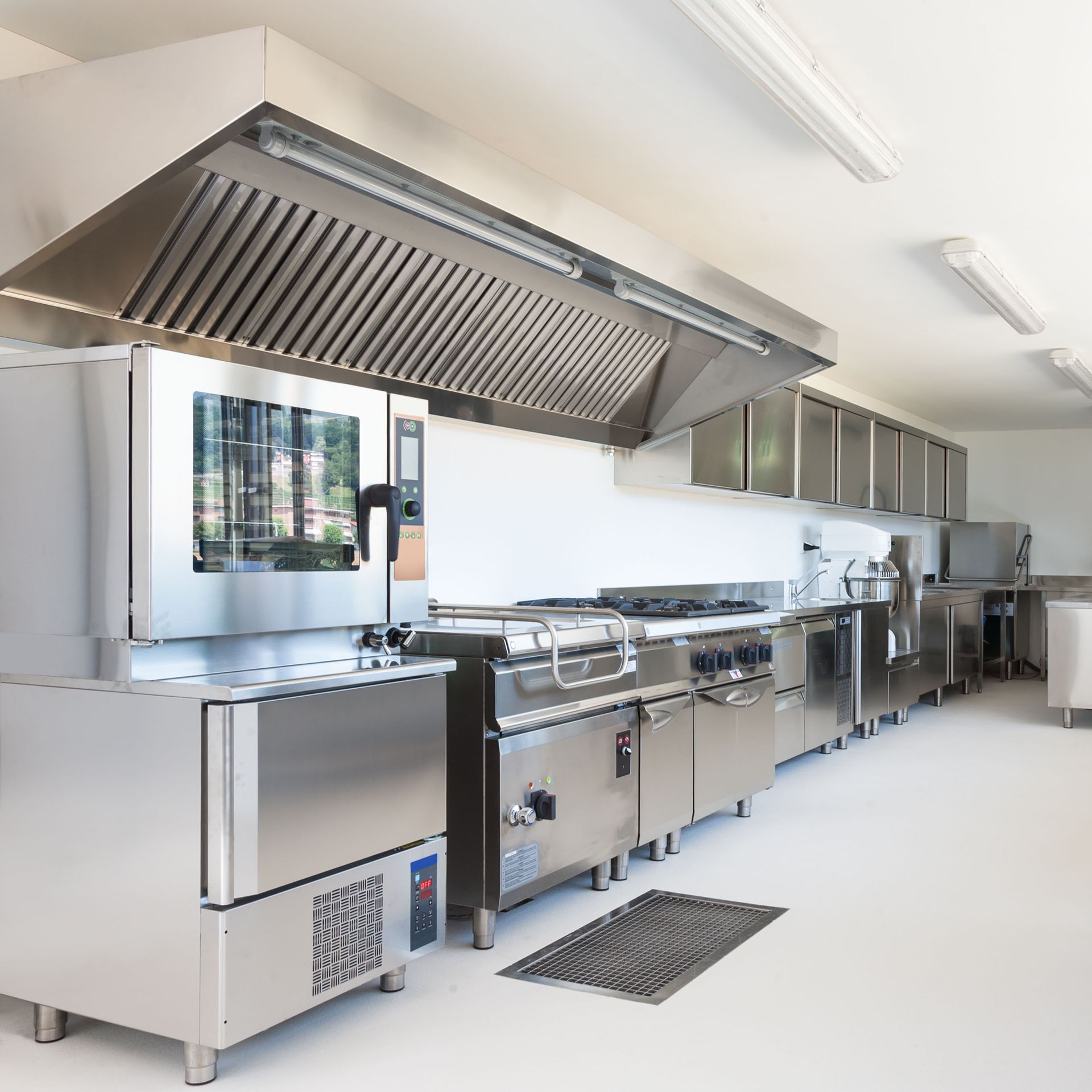
Exhaust systems play a pivotal role in the seamless operation of commercial cooking environments by capturing airborne particles, dense smoke, and heavy grease vapor. These mechanical setups enhance ambient air quality, thereby promoting strict health and safety standards in bustling kitchen settings where high-temperature equipment operates continuously. Effective filtration reduces the risk of disastrous duct fires, which remain a prevalent structural hazard in the foodservice industry. Utilizing a reliable restaurant filter service ensures that these systems retain their structural integrity, operating smoothly and safely on a day-to-day basis without unexpected airflow restrictions.
Modern kitchens employ various specialized components, including stainless steel baffle units, air purifiers, and electrostatic precipitators designed for specific operational functions. Primary grease catchers prevent volatile lipid accumulation in exhaust ducts, which is essential for fire hazard reduction and structural safety. Kitchen air filters improve overall ventilation within the prep space, ensuring that dense smoke and cooking odors do not overpower staff or paying guests. Combining high-efficiency components with a dedicated restaurant filter service supports overall system efficacy, highlighting the clear necessity for regular professional cleaning and continuous monitoring.
Mitigating Severe Fire Risks through Routine Servicing
Proper ventilation management is not merely a convenience; it represents a fundamental component of comprehensive structural safety strategies. Given that grease accumulation is a primary cause of commercial kitchen blazes, effective mechanical management remains completely indispensable for every operator. These fires can cause catastrophic damage to restaurant property, costing hundreds of thousands or even millions in restoration and legal fees. Furthermore, according to U.S. fire-safety and property-damage data, restaurant fires result in roughly $165 million in property damage each year. Prioritizing robust filter systems can dramatically reduce these risks, ensuring that the establishment remains safe and profitable.
Health codes and local fire safety ordinances strictly mandate the regular servicing and upkeep of commercial exhaust structures. Failing to maintain these standards can lead to massive administrative fines and forced operational shutdowns, which can be financially debilitating for a business. Investing in a contract with a professional restaurant filter service helps management stay fully compliant with municipal fire codes and insurance mandates. A proactive stance on ventilation hygiene enhances regulatory relations, protects the brand from negative press, and prevents costly legal repercussions associated with code violations.
Evaluating the Financial Toll of Operational Negligence
Investing in high-quality ventilation management serves as a robust financial safety net against sudden capital losses. While the recurring costs of professional maintenance might seem like an added operational expense, the long-term savings in reduced fire risks and maximized equipment efficiency are substantial. Regular cleaning prolongs the useful lifespan of expensive rooftop exhaust fans while reducing the frequency of emergency mechanical breakdowns. Businesses consistently find that long-term asset protection and safety assurances far outweigh routine servicing expenses, proving that well-maintained exhaust systems represent a direct investment in sustainable financial health.
The immediate financial repercussions of skipping routine maintenance become painfully obvious when a major disaster occurs. The expenses associated with emergency cleanup, structural rebuilding, and legal defense following a catastrophic duct fire can ruin a business entirely. Operations are inevitably halted for extended periods, compounding lost revenue and driving loyal customers away to local competitors. Establishing a routine schedule with a certified restaurant filter service eliminates these preventable financial shocks, protecting profit margins and ensuring that everyday cooking operations continue without costly structural disruptions.
Enhancing Staff Health and Optimizing Kitchen Machinery
Compromised air circulation directly impacts working conditions, compromising employee health and daily productivity. Prolonged exposure to thick smoke, airborne particulate matter, and grease-laden vapors causes acute respiratory discomfort, leading to increased staff absenteeism and lower overall productivity. A work environment perceived as hazardous degrades employee morale and increases turnover in an industry already struggling with labor retention. Enlisting a qualified restaurant filter service cleanses the ambient kitchen environment, demonstrating a clear commitment to workforce well-being while fostering a safer, more comfortable workplace.
Neglecting ventilation hygiene also places an immense, unnecessary strain on core kitchen machinery and ventilation infrastructure. Clogged baffles force exhaust fan motors to work significantly harder to draw air, leading to excessive wear and premature mechanical failure. Inefficient airflow leaves heavy heat and moisture trapped inside the kitchen, overburdening air conditioning units and driving up monthly utility bills. Securing a specialized restaurant filter service keeps air moving efficiently, lowering energy consumption, protecting expensive equipment investments, and maintaining a comfortable environment for both kitchen staff and dining room patrons.
Examining Case Studies and Regulatory Non-Compliance Impact
High-profile commercial kitchen fires frequently illustrate the severe real-world consequences of poor ventilation management. In numerous historical instances, heavy grease buildup within unserviced exhaust ducts served as the primary fuel source for rapid, destructive blazes. Beyond total property destruction, affected businesses suffer permanent brand erosion and harsh public scrutiny. Partnering with an expert restaurant filter service provides the documented proof of maintenance required by insurance carriers and fire marshals alike, ensuring that commercial operations do not end up as another tragic cautionary tale.
Stories of regulatory non-compliance highlight the severe operational and financial fallout experienced by negligent operators. Establishments failing basic health inspections face public closure notices, steep administrative fines, and ruined community reputations. Utilizing a professional restaurant filter service safeguards management against these embarrassing public violations while ensuring compliance with NFPA 96 standards. Learning from the costly mistakes of non-compliant facilities allows forward-thinking owners to build resilient operations that prioritize safety, maintain high customer morale, and secure a prosperous future in the competitive culinary marketplace.
Adopting Proactive Safeguards and Building a Safety Culture
Fostering an enterprise-wide culture of safety requires an unwavering commitment from every level of management. Establishing structured maintenance schedules eliminates guesswork, integrating critical cleaning procedures directly into the standard operating budget. While daily surface wiping can be performed by kitchen staff, deep structural cleaning requires specialized tools and expert technical knowledge. Contracting an authorized restaurant filter service ensures that dangerous grease deposits hidden deep within ductwork are thoroughly eliminated, removing fire risks that standard daily cleaning routines simply cannot address.
Looking toward the future, commercial kitchens must adapt to increasingly strict environmental codes and advanced fire prevention standards. Integrating routine inspection protocols with a certified
restaurant filter service establishes a comprehensive safety barrier that protects human life and financial capital. To safeguard your commercial kitchen from catastrophic fire risks, expensive code violations, and costly equipment failures, partner with us today for industry-leading exhaust maintenance solutions. Contact the experienced team at AAA Restaurant Fire Control now to schedule your comprehensive facility assessment and protect your business's bottom line.