June 9, 2026
Commercial cooking environments feature intense heat, sizzling pans, and constant activity. While chefs focus on creating culinary masterpieces, a hidden danger looms overhead within the exhaust system. This silent threat stems directly from cooking fats. Grease vaporizes during food preparation and travels upward into the ventilation hood. Over time, without proper attention, this vapor solidifies into a highly combustible layer.
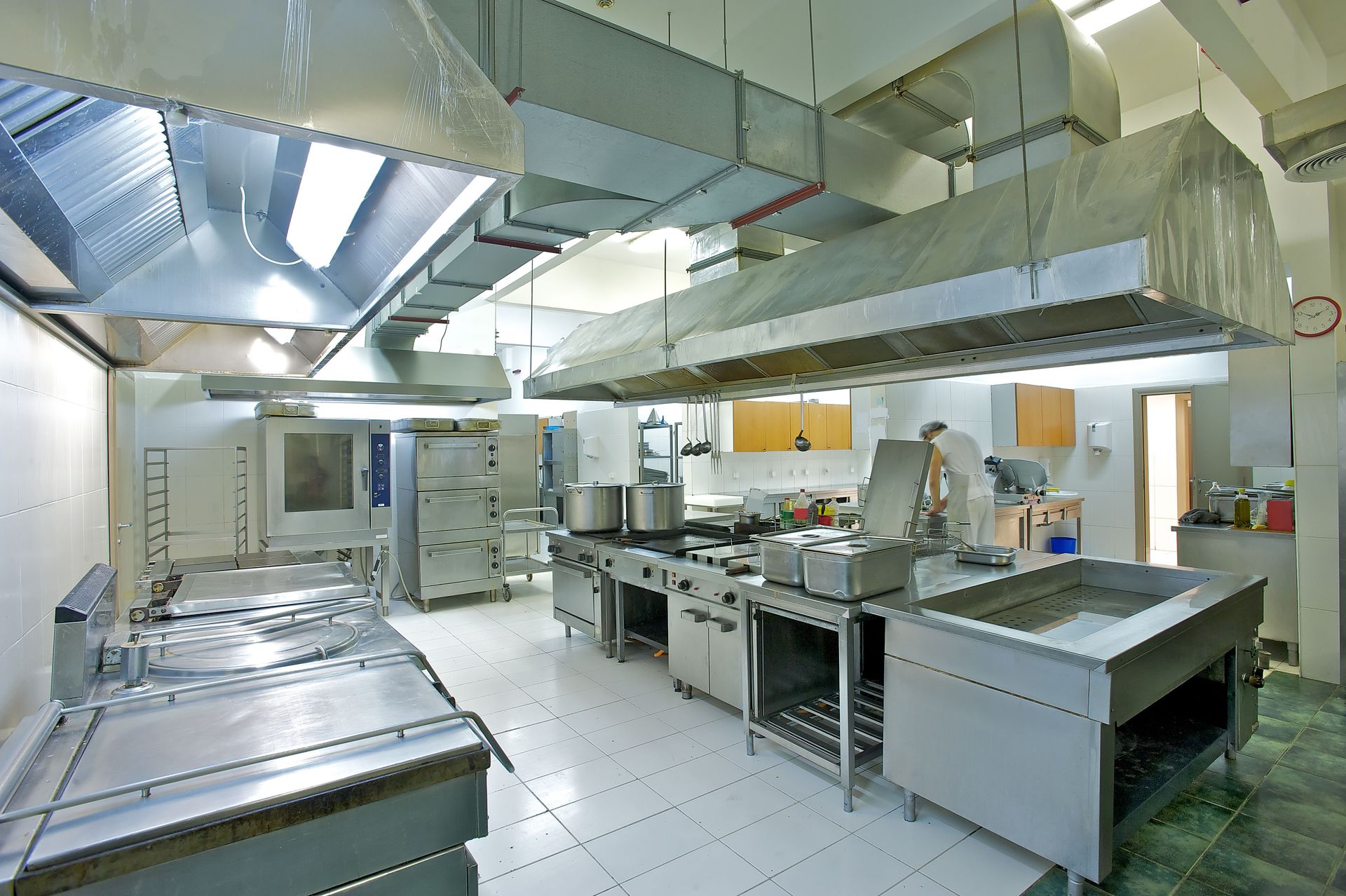
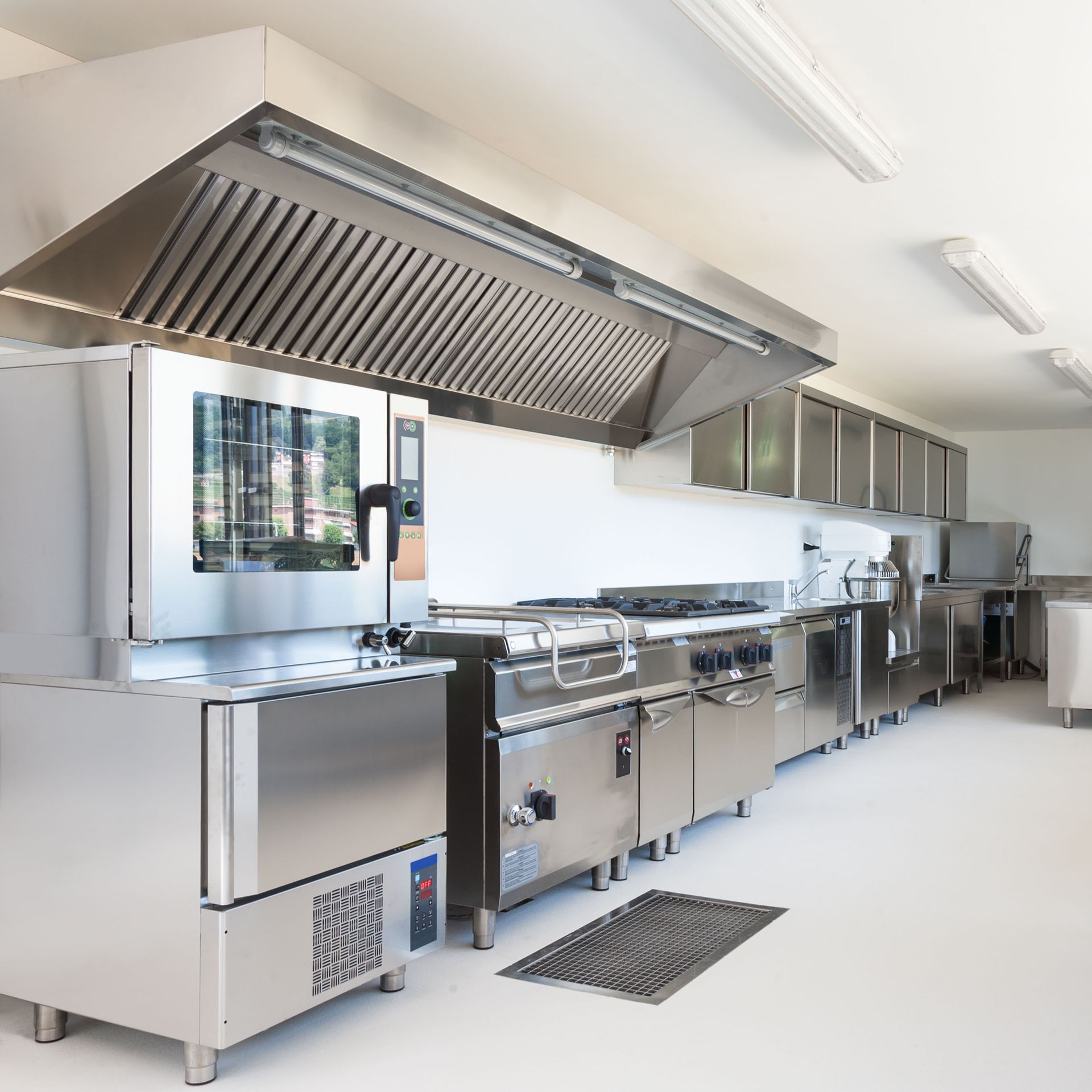
The importance of a pristine ventilation system cannot be overstated when discussing culinary facility security. When baffles become clogged with coagulated fat, the extraction process struggles to function correctly. The environment becomes significantly more hazardous for staff members. Addressing this issue requires professional intervention. Utilizing a restaurant filter service ensures that these critical components remain free of dangerous obstructions. Maintaining clean baffles is not merely about cleanliness; it is about preventing a catastrophic event from destroying a culinary establishment.
Understanding How Grease Accumulation Drives Danger
Exhaust fires begin with the gradual buildup of vaporized cooking oils. As meals are prepared, microscopic oil droplets ride rising thermal currents directly into the overhead canopy. These droplets latch onto the metal surfaces of the baffles. Initially, this creates a thin film that appears completely harmless. However, as cooking continues daily, this film thickens into a dense, sticky residue.
This thickened residue transforms the extraction canopy into a significant fire hazard. Grease is inherently flammable, acting as a potent fuel source waiting for an ignition trigger. A rogue spark or sudden flare-up can easily reach these coated baffles. Once ignited, flames spread rapidly throughout the extraction canopy. The intense draft pulls the fire deeper into the ductwork, escalating the situation immediately.
Preventing this rapid spread relies entirely on removing the fuel source before it reaches critical levels. Managers must prioritize the extraction canopy's cleanliness to maintain a secure environment. Regular canopy cleaning is essential to strip away hardened fat deposits. Contacting a professional restaurant filter service provides the deep cleaning necessary to remove these combustible layers effectively. This proactive measure drastically reduces the available fuel for any potential flare-up.
Ignoring the gradual buildup leads directly to disastrous consequences. The canopy ceases to act as a protective shield, becoming an accelerator for any localized blaze. Flames normally contained below are instead drawn upward into a highly reactive environment. Consequently, minor flare-ups escalate into uncontrollable infernos. The sole defense against this rapid escalation is rigorous and consistent cleaning of the extraction baffles.
Examining How Restricted Airflow Exacerbates Peril
Clean extraction baffles maintain a precise balance of air circulation within the culinary workspace. They draw out smoke, heat, and airborne particles, replacing them with fresh air. When fat deposits clog the narrow passages, this crucial circulation is severely hindered. The canopy struggles to pull air through the restricted openings, creating a noticeable drop in the overall ventilation efficiency of the room.
As circulation decreases, the cooking area becomes thick with smoke and unbearable heat. Ambient temperatures rise significantly, creating an uncomfortable and hazardous workspace for culinary staff. More importantly, the restricted airflow traps flammable vapors within the immediate vicinity of the cooking equipment. A reliable restaurant filter service guarantees that these vital air passages remain clear and unobstructed. Without this intervention, trapped vapors reach exceptionally dangerous concentrations.
The accumulation of trapped vapors creates a highly volatile atmosphere right above heat sources. These concentrated airborne fats require very little energy to ignite. A minor grease flare on the stove can instantly ignite the vapor-heavy air above it. Because the canopy cannot pull dangerous gases away quickly enough, the entire area becomes a tinderbox. The lack of proper suction directly contributes to the likelihood of spontaneous ignition.
Furthermore, a reduced draft affects the performance of the cooking equipment itself. Stoves and grills burn hotter or less efficiently due to the lack of proper oxygen exchange. This inefficiency further increases ambient heat, compounding the danger. The only way to restore the necessary balance and eliminate trapped volatile gases is to clear the blockages. Restoring optimal air circulation through clean baffles is a fundamental requirement for fire prevention.
Exploring How Extreme Temperatures Ignite Catastrophe
Cooking environments inherently generate massive amounts of thermal energy. High-output burners, sizzling fryers, and glowing broilers constantly radiate intense heat upward into the extraction canopy. Under normal circumstances, a well-maintained canopy safely channels this thermal energy outdoors. The metal components are engineered to withstand significant heat, provided the air continues to flow freely. However, clogged baffles disrupt this thermal management system entirely.
When airflow is blocked by solidified fat, heat cannot escape the canopy area efficiently. Instead, thermal energy is absorbed by the grease-laden baffles and the surrounding metal structure. This absorption causes the physical canopy's temperature to rise dramatically. The coagulated fat coating the metal begins to bake, altering its chemical composition and lowering its ignition threshold. The environment grows dangerously hot, pushing materials closer to their flashpoint.
As baked fat reaches its flashpoint, the situation becomes incredibly perilous. It no longer requires a direct flame or spark to ignite; ambient heat alone becomes sufficient to cause spontaneous combustion. The canopy can burst into flames simply because it has become too hot. This type of ignition is particularly terrifying because it happens without any warning. The sheer intensity of trapped thermal energy triggers the blaze.
Mitigating this extreme thermal buildup requires keeping extraction pathways completely clear. Efficient heat removal is impossible when the canopy is choked with residue. Utilizing a restaurant filter service ensures that the extraction system can properly vent the intense thermal energy generated below. By keeping baffles clean, the canopy remains cool enough to function safely. This continuous heat dissipation is absolutely critical for avoiding spontaneous, heat-induced combustion.
Considering How Regular Maintenance Mitigates Risk
Addressing poor ventilation hazards requires a steadfast commitment to routine upkeep. A sporadic approach to cleaning is woefully inadequate for handling the massive volume of vaporized fats produced daily. Establishing a strict maintenance schedule is the only viable strategy for maintaining a secure facility. Bringing in a restaurant filter service provides the consistency required to keep the extraction canopy functioning optimally, preventing the dangerous accumulation of combustible materials.
Professional technicians possess specialized tools and heavy-duty degreasers necessary to strip away baked-on residue. They dismantle baffles, soak them in powerful chemical baths, and scrub them down to bare metal. This level of deep cleaning is nearly impossible to achieve with standard in-house washing methods. The deep clean removes not just visible surface fat, but hidden layers trapped deep within the baffle structure. This thoroughness is essential for safety.
The frequency of this deep cleaning must align with the cooking volume of the establishment. Busy operations produce grease at an astonishing rate, requiring frequent interventions to stay ahead of the buildup. According to Aldevra.com, high-volume kitchens should have their ducts and exhaust cleaned one time per month. This rigorous schedule ensures that fuel never has the opportunity to accumulate to dangerous levels. Adhering to such guidelines is a fundamental aspect of responsible facility management.
Beyond cleaning the baffles, a comprehensive maintenance routine includes inspecting the entire extraction system for potential flaws. Technicians check for loose connections, damaged fan belts, or compromised ductwork that could exacerbate a fire situation. This holistic approach ensures that every component of the ventilation system works in harmony to protect the establishment. Consistent professional maintenance transforms a potential hazard into a reliable, protective asset.
The connection between dirty extraction canopies and devastating fires is undeniable. Solidified cooking oils provide the fuel, restricted airflow traps the heat, and extreme temperatures provide the ignition. Failing to address the buildup within overhead baffles is a recipe for absolute disaster. A proactive approach is mandatory to protect culinary staff, patrons, and the physical building. Utilizing a dedicated restaurant filter service is the most effective way to break this dangerous cycle and maintain a secure cooking environment.
The responsibility for fire prevention rests on prioritizing the invisible aspects of culinary operations. While food on the plate garners the most attention, the canopy above requires equal dedication. Keeping the extraction system pristine ensures that daily operations can proceed without the looming threat of an uncontrollable blaze. By maintaining clean baffles, facility managers secure the longevity and safety of their entire enterprise. Diligence in canopy maintenance is the ultimate safeguard against culinary catastrophe. Protect your staff and property from preventable hazards by contacting AAA Restaurant Fire Control today. Schedule our professional restaurant filter service to guarantee a spotless exhaust system that keeps your culinary environment safe and compliant.